LEADING A CREATIVE TEAM AT SCALE
LEADING A CREATIVE TEAM AT SCALE
A breakdown of how I built systems to scale creative output - balancing structure, storytelling, and team dynamics without compromising quality.
Insights

The Problem
Most creative teams don’t struggle because they lack talent. They struggle because they lack balance. Either everything becomes chaotic - no direction, inconsistent outputs, disconnected styles - or it becomes so controlled that creativity starts to fade.
When I took on the role of Media Director at Coding Ninjas CUIET, the team already existed. The challenge wasn’t to build it, but to refine how it functioned. The goal was simple but difficult to execute: improve quality, bring consistency, and scale output - without limiting creativity.
2. The Role
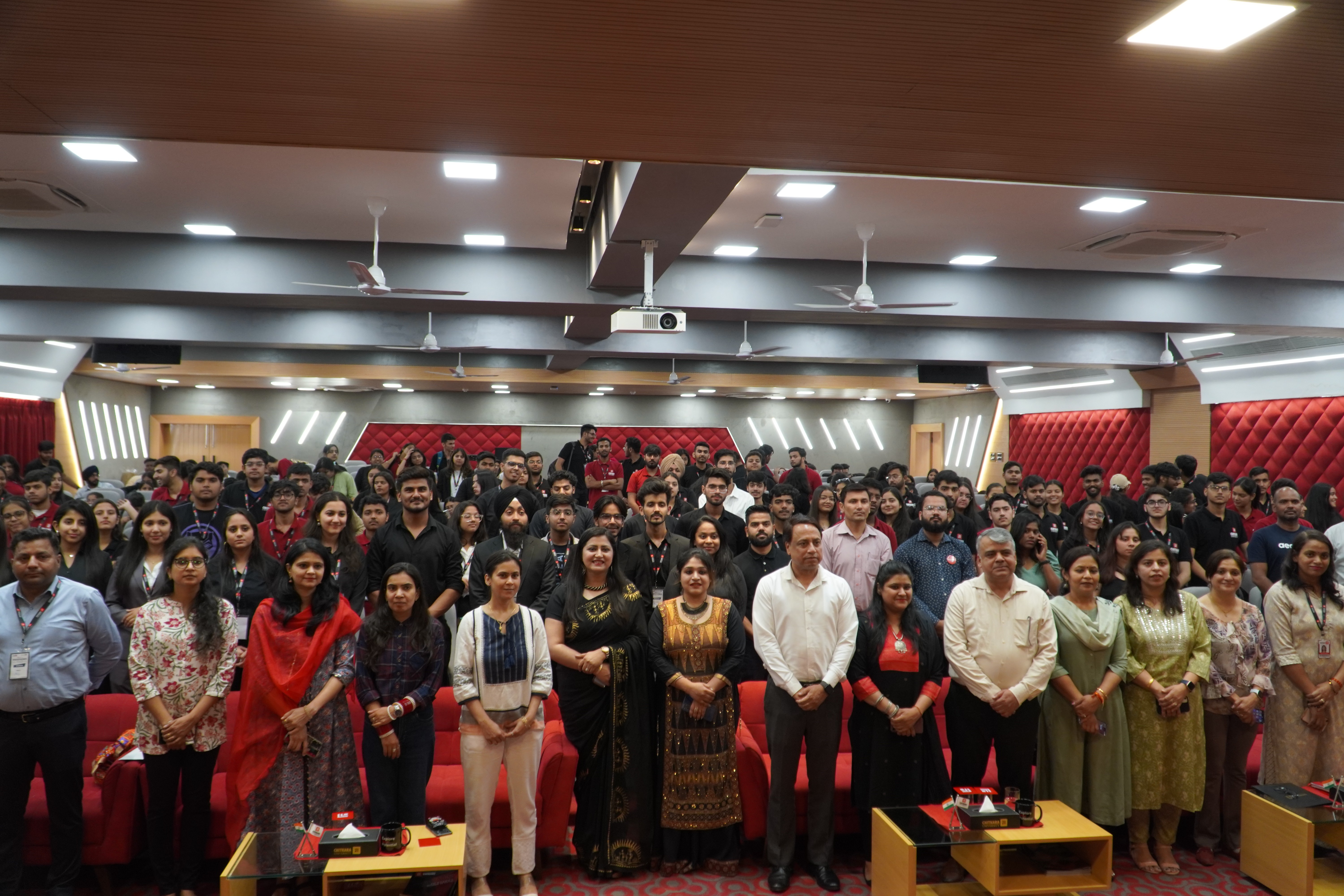
Coding Ninjas CUIET is a student-led coding community where events, workshops, and competitions are constantly happening. Media plays a key role in shaping how these events are perceived.
My role went beyond creating content. I was responsible for guiding creative direction, managing a team with different skill levels, ensuring consistency across all outputs, and delivering under tight timelines. More importantly, I had to create a system that allowed the team to operate efficiently without depending on constant oversight.
3. The Shift
The biggest shift came from understanding that control wasn’t the solution - clarity was.
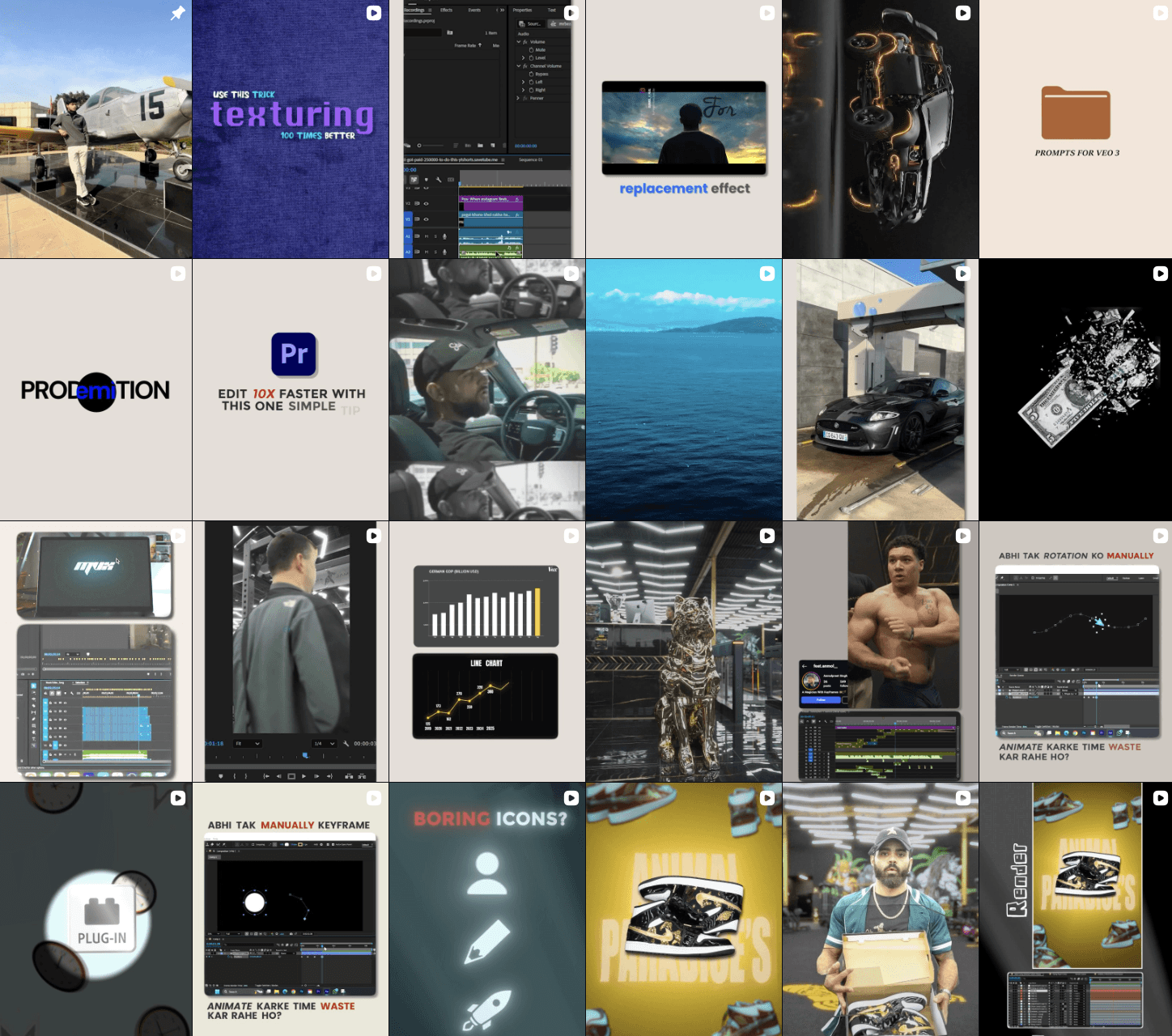
Instead of micromanaging every output or letting things remain unstructured, I focused on introducing systems that provided direction without restricting creativity. This started with defining a clear visual language - color palettes, typography, motion styles, and tone - so that everyone worked with the same foundation.
I also implemented a simple workflow: idea, storyboard, execution, review, and final output. This ensured that every piece of content had intent before execution began, reducing confusion and unnecessary rework while making the process smoother.
4. The Approach
Managing creatives required a shift in mindset. Instead of assigning tasks, I focused on giving direction and encouraging ownership. When people understood the goal and had the freedom to execute, the quality of work improved significantly.
At the same time, I adapted my approach based on individual skill levels. Beginners were guided more closely, while experienced members were given more creative freedom. Feedback was always specific, helping each person improve without feeling restricted.
Another major improvement came from treating content - especially trailers - as stories rather than just edits. Every piece followed a narrative structure: a strong hook, a build-up, a highlight moment, and a clear closure. The focus shifted from adding effects to shaping how the audience feels, which made the content more engaging and impactful.

5. The Outcome
The results were clear. The team produced more consistent and polished work, turnaround times improved, and collaboration became smoother. More importantly, the team didn’t feel controlled - they felt aligned.
The biggest takeaway from this experience is that creativity and systems are not opposites. Creativity needs structure to scale, and structure needs taste to remain effective.
The role of a creative lead is not to control output, but to build an environment where good work happens naturally. Looking back, I would focus more on documenting these systems, strengthening feedback loops, and tracking performance earlier.
Because managing a team is one thing - but building a system that works without you is where real leverage is created.
LEADING A CREATIVE TEAM AT SCALE
LEADING A CREATIVE TEAM AT SCALE
A breakdown of how I built systems to scale creative output - balancing structure, storytelling, and team dynamics without compromising quality.
Insights
The Problem
Most creative teams don’t struggle because they lack talent. They struggle because they lack balance. Either everything becomes chaotic - no direction, inconsistent outputs, disconnected styles - or it becomes so controlled that creativity starts to fade.
When I took on the role of Media Director at Coding Ninjas CUIET, the team already existed. The challenge wasn’t to build it, but to refine how it functioned. The goal was simple but difficult to execute: improve quality, bring consistency, and scale output - without limiting creativity.
2. The Role
Coding Ninjas CUIET is a student-led coding community where events, workshops, and competitions are constantly happening. Media plays a key role in shaping how these events are perceived.
My role went beyond creating content. I was responsible for guiding creative direction, managing a team with different skill levels, ensuring consistency across all outputs, and delivering under tight timelines. More importantly, I had to create a system that allowed the team to operate efficiently without depending on constant oversight.
3. The Shift
The biggest shift came from understanding that control wasn’t the solution - clarity was.
Instead of micromanaging every output or letting things remain unstructured, I focused on introducing systems that provided direction without restricting creativity. This started with defining a clear visual language - color palettes, typography, motion styles, and tone - so that everyone worked with the same foundation.
I also implemented a simple workflow: idea, storyboard, execution, review, and final output. This ensured that every piece of content had intent before execution began, reducing confusion and unnecessary rework while making the process smoother.
4. The Approach
Managing creatives required a shift in mindset. Instead of assigning tasks, I focused on giving direction and encouraging ownership. When people understood the goal and had the freedom to execute, the quality of work improved significantly.
At the same time, I adapted my approach based on individual skill levels. Beginners were guided more closely, while experienced members were given more creative freedom. Feedback was always specific, helping each person improve without feeling restricted.
Another major improvement came from treating content - especially trailers - as stories rather than just edits. Every piece followed a narrative structure: a strong hook, a build-up, a highlight moment, and a clear closure. The focus shifted from adding effects to shaping how the audience feels, which made the content more engaging and impactful.
5. The Outcome
The results were clear. The team produced more consistent and polished work, turnaround times improved, and collaboration became smoother. More importantly, the team didn’t feel controlled - they felt aligned.
The biggest takeaway from this experience is that creativity and systems are not opposites. Creativity needs structure to scale, and structure needs taste to remain effective.
The role of a creative lead is not to control output, but to build an environment where good work happens naturally. Looking back, I would focus more on documenting these systems, strengthening feedback loops, and tracking performance earlier.
Because managing a team is one thing - but building a system that works without you is where real leverage is created.
LEADING A CREATIVE TEAM AT SCALE
LEADING A CREATIVE TEAM AT SCALE
A breakdown of how I built systems to scale creative output - balancing structure, storytelling, and team dynamics without compromising quality.
Insights
The Problem
Most creative teams don’t struggle because they lack talent. They struggle because they lack balance. Either everything becomes chaotic - no direction, inconsistent outputs, disconnected styles - or it becomes so controlled that creativity starts to fade.
When I took on the role of Media Director at Coding Ninjas CUIET, the team already existed. The challenge wasn’t to build it, but to refine how it functioned. The goal was simple but difficult to execute: improve quality, bring consistency, and scale output - without limiting creativity.
2. The Role
Coding Ninjas CUIET is a student-led coding community where events, workshops, and competitions are constantly happening. Media plays a key role in shaping how these events are perceived.
My role went beyond creating content. I was responsible for guiding creative direction, managing a team with different skill levels, ensuring consistency across all outputs, and delivering under tight timelines. More importantly, I had to create a system that allowed the team to operate efficiently without depending on constant oversight.
3. The Shift
The biggest shift came from understanding that control wasn’t the solution - clarity was.
Instead of micromanaging every output or letting things remain unstructured, I focused on introducing systems that provided direction without restricting creativity. This started with defining a clear visual language - color palettes, typography, motion styles, and tone - so that everyone worked with the same foundation.
I also implemented a simple workflow: idea, storyboard, execution, review, and final output. This ensured that every piece of content had intent before execution began, reducing confusion and unnecessary rework while making the process smoother.
4. The Approach
Managing creatives required a shift in mindset. Instead of assigning tasks, I focused on giving direction and encouraging ownership. When people understood the goal and had the freedom to execute, the quality of work improved significantly.
At the same time, I adapted my approach based on individual skill levels. Beginners were guided more closely, while experienced members were given more creative freedom. Feedback was always specific, helping each person improve without feeling restricted.
Another major improvement came from treating content - especially trailers - as stories rather than just edits. Every piece followed a narrative structure: a strong hook, a build-up, a highlight moment, and a clear closure. The focus shifted from adding effects to shaping how the audience feels, which made the content more engaging and impactful.
5. The Outcome
The results were clear. The team produced more consistent and polished work, turnaround times improved, and collaboration became smoother. More importantly, the team didn’t feel controlled - they felt aligned.
The biggest takeaway from this experience is that creativity and systems are not opposites. Creativity needs structure to scale, and structure needs taste to remain effective.
The role of a creative lead is not to control output, but to build an environment where good work happens naturally. Looking back, I would focus more on documenting these systems, strengthening feedback loops, and tracking performance earlier.
Because managing a team is one thing - but building a system that works without you is where real leverage is created.